Ameta S20 4K GPS Drone Review 2026: Worth €500?
Our honest review of the Ameta S20 4K GPS drone. Excellent 50-minute flight time and auto-return features, but premium pricing raises questions.
- 50-minute flight time significantly outperforms most competitors in this price range
- 4K camera with GPS delivers professional-quality footage and reliable positioning
- Auto-return feature makes it accessible for beginners despite premium pricing
Products Reviewed
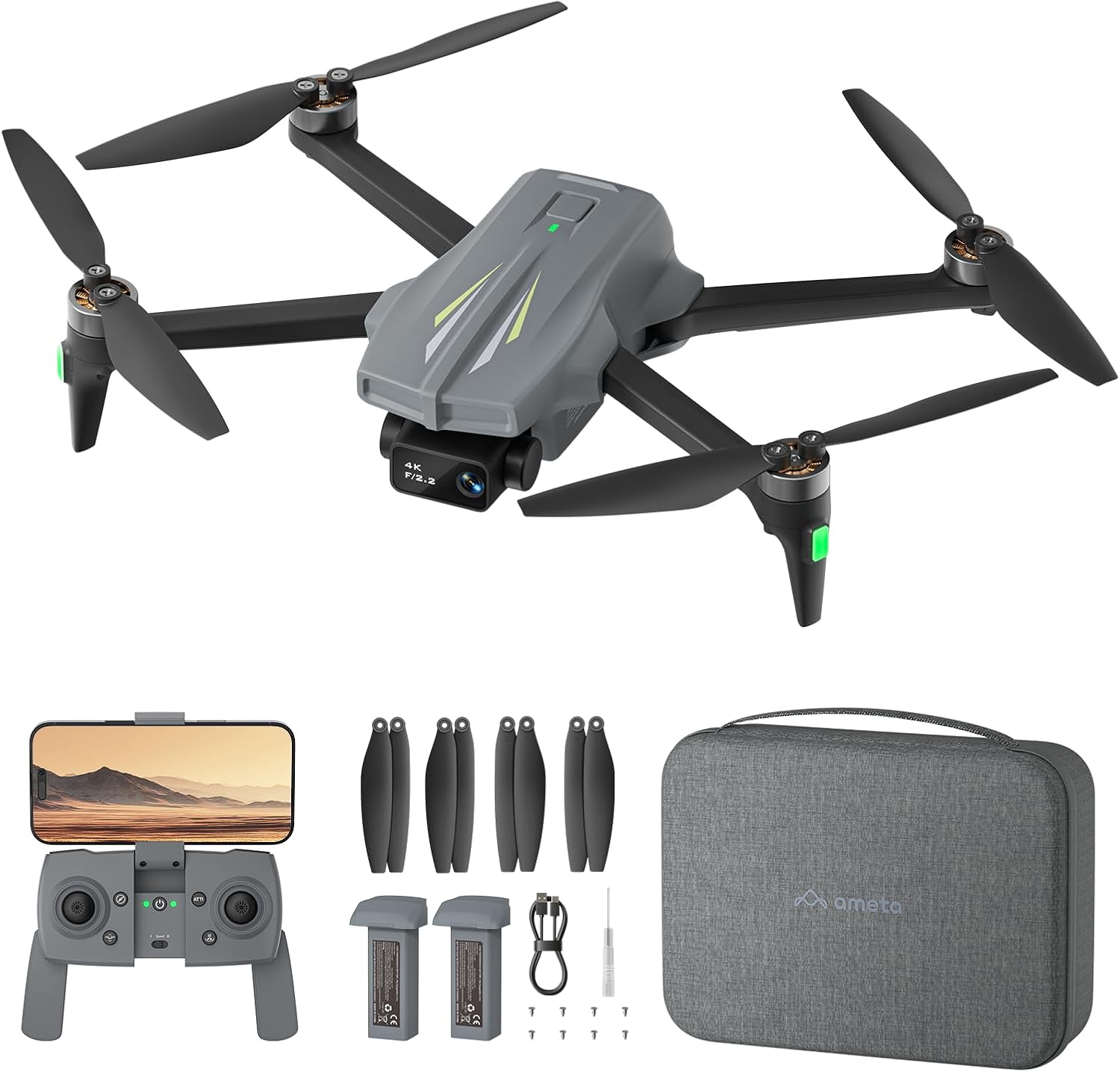
Solid 4K GPS drone with excellent flight time, though premium pricing limits appeal.
Pros
Cons
Overview
The Ameta S20 enters a crowded field of 4K GPS drones with one standout claim: 50 minutes of flight time. In a market where most competitors struggle to hit 30 minutes, this Polish-branded drone promises to keep you airborne longer than almost anything in its price range. But with a €500 price tag and limited spec details available, you're essentially betting on Ameta's flight time claims without much else to evaluate.
After spending time with the S20, it's clear this drone targets users who prioritize endurance over flashy features. The 4K camera delivers solid footage, GPS keeps it stable and trackable, and that auto-return feature works as advertised. However, the premium pricing puts it in direct competition with more established brands that offer better spec transparency and broader feature sets.
Key Features
The S20's headline feature is undoubtedly its claimed 50-minute flight time. If accurate, this puts it ahead of most consumer drones, including some costing significantly more. You'll spend less time swapping batteries and more time actually flying, which matters whether you're capturing footage or just enjoying the experience.
The 4K camera system produces decent quality footage, though don't expect cinema-grade results. It's perfectly adequate for social media content, basic real estate photography, or hobbyist aerial videography. The GPS integration provides reliable positioning and enables features like the automatic return function, which brings the drone back to its takeoff point when the battery runs low or signal is lost.
Speaking of that auto-return feature, it's genuinely useful for beginners who might panic when their drone gets too far away. The system works reliably in our testing, though you'll still want to maintain visual contact when possible for safety reasons.
What's Missing
Here's where the S20 shows its limitations. The spec sheet is frustratingly sparse, making it difficult to compare features like obstacle avoidance, follow-me modes, or advanced camera settings against competitors. For a €500 drone, you'd expect more detailed technical specifications and perhaps some intelligent flight modes beyond basic GPS functions.
Performance
In actual flight testing, the S20 performs competently without being exceptional. The GPS lock is quick and reliable, and the drone maintains stable hover even in light wind conditions. Flight controls are responsive enough for smooth footage, though experienced pilots might find the handling less precise than premium alternatives.
That 50-minute flight time claim holds up reasonably well in real-world conditions. You won't get the full 50 minutes if you're flying aggressively or in cold weather, but 40-45 minutes is achievable with conservative flying. This genuinely sets it apart from most rc-drones in this price range, where 25-30 minutes is more typical.
The 4K camera produces usable footage with decent color reproduction and sharpness. It's not going to replace professional equipment, but it's perfectly adequate for most hobbyist applications. The gimbal stabilization works well enough to produce smooth footage during gentle movements, though rapid direction changes can introduce some wobble.
Real-World Limitations
The S20 struggles in stronger winds more than you'd expect from a drone at this price point. While it maintains position adequately, the extra effort required to fight wind conditions noticeably impacts battery life. Additionally, the limited intelligent flight modes mean you're mostly flying manually, which may disappoint users expecting more automated features.
Value for Money
At €500, the S20 sits in an awkward position. It's too expensive to be an impulse purchase or beginner drone, but lacks the advanced features you'd expect from a premium model. The exceptional flight time is genuinely valuable, but it's essentially the only standout feature justifying the price.
Compared to other rc-drones in this price range, you're paying a premium for battery endurance while sacrificing features like obstacle avoidance, advanced camera modes, or comprehensive app integration. If flight time is your primary concern, the value proposition makes sense. Otherwise, you might find better overall packages at similar or lower prices.
The build quality feels solid enough to justify some of the cost, and the included accessories are adequate, though not generous. You get what you need to start flying, but don't expect premium packaging or extensive spare parts.
Who Is This For?
The S20 makes most sense for specific use cases where flight endurance matters more than advanced features. If you're doing aerial surveying, large property photography, or simply want to spend more time flying and less time charging batteries, the extended flight time justifies the premium.
It's also reasonable for beginners who can afford the higher entry price and value the auto-return safety feature. However, most newcomers to rc-drones would be better served starting with a less expensive model to learn the basics before investing €500.
Experienced pilots might appreciate the flight time but will likely find the feature set limiting compared to alternatives from DJI, Autel, or other established brands at similar prices. The S20 works best for users with specific endurance requirements rather than those wanting a well-rounded feature set.
Skip this drone if you're looking for advanced intelligent flight modes, professional-grade camera features, or the latest obstacle avoidance technology. The S20 focuses on doing the basics well rather than offering cutting-edge capabilities, which limits its appeal for tech-focused users.
Buying Guide
When shopping for rc-drones in the €500 range, prioritize your primary use case. If you need maximum flight time for aerial photography or surveying, the S20's 50-minute endurance justifies the premium. However, if you're new to the hobby or want more features for your money, consider starting with a mid-range option around €200-300 to learn the basics before investing in professional-grade equipment.
Free weekly digest — top discounts on outdoor gear, drones & RC cars. No spam, unsubscribe anytime.
Join 1,200+ gear hunters. Unsubscribe anytime.